 ค้นหาผลิตภัณฑ์
 th
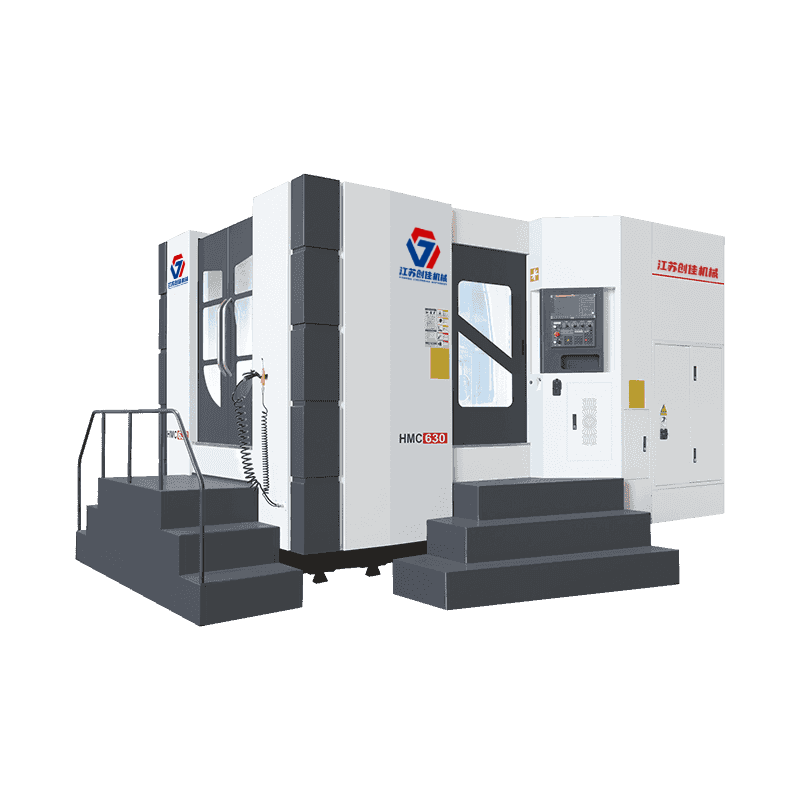
thHMC-630(Inverted T) เครื่องแมชชีนนิ่งเซนเตอร์
Cat:เครื่องแมชชีนนิ่งเซนเตอร์แนวนอน
โครงสร้างใช้ในโครงสร้าง T แบบกลับหัวโต๊ะจะเคลื่อนที่ไปรอบๆ (แกน X) หัวเตียงจะเลื่อนขึ้นและลง (แกน Y) และหน่วยความจำจะเคลื่อนที่ (แกน Z) ชั้นวางของโ...
ดูรายละเอียด
Coolant systems are essential for managing heat generation in CNC Power Milling Machines . During machining, friction between the tool and the workpiece generates a significant amount of heat. Without a cooling mechanism, this heat can lead to tool wear, reduced machining accuracy, and damage to the workpiece. Flood coolant systems are commonly used in CNC milling operations and involve a continuous flow of liquid coolant directed at the cutting zone to absorb and dissipate heat. The coolant also flushes away chips and debris, which could otherwise obstruct the cutting process and create additional friction. The type of coolant (water-based, oil-based, or synthetic) is chosen based on the material being machined and the machine's operating conditions. For instance, water-based coolants are used for materials like aluminum, while oil-based coolants are better suited for steel or tough alloys. Some advanced CNC milling machines are equipped with high-pressure coolant systems , which direct coolant at much higher pressures, allowing for more efficient cooling, especially in deep holes or narrow cutting zones. This cooling method not only helps maintain the temperature of the tool but also improves chip removal, reducing the chances of thermal damage or tool failure.
The material and coatings of the cutting tool are integral to managing heat during CNC milling. Materials such as carbide , ceramic , and cermet are favored for their high thermal resistance, enabling them to withstand the extreme temperatures generated during high-speed cutting. Carbide , for example, can withstand temperatures exceeding 1,000°C, making it suitable for high-performance machining, particularly when cutting hard metals. Additionally, coatings like Titanium Nitride (TiN) , Titanium Aluminum Nitride (TiAlN) , and Diamond-Like Carbon (DLC) are applied to tools to enhance their heat resistance and reduce friction. These coatings form a protective layer that not only improves heat dissipation but also reduces the amount of friction between the tool and the workpiece, further lowering heat buildup. TiAlN coatings , for example, provide excellent heat resistance and are ideal for high-temperature applications, ensuring that the tool's cutting edge remains intact even during extended machining cycles. By reducing friction and improving the thermal properties of the cutting tool, these coatings also extend tool life, reduce wear, and maintain consistent cutting performance.
The geometry of the cutting tool —including factors such as rake angle , clearance angle , and cutting edge sharpness —is critical for effective heat management during milling. Tools with sharper edges and appropriate rake angles are more efficient at shearing the material, which reduces the amount of heat generated compared to blunt tools. A sharp cutting edge can slice through material with less friction, leading to less heat buildup and a cleaner cut. Cutting parameters , such as spindle speed , feed rate , and depth of cut , also play a crucial role in managing heat. High spindle speeds can generate more heat, especially when cutting hard materials, whereas slower speeds and higher feed rates tend to produce less heat. The depth of cut influences the amount of material removed per pass and can significantly affect the heat generated. A shallow cut will generate less heat but may require more passes, while a deeper cut will create more heat but remove more material. Modern CNC Power Milling Machines often include adaptive control systems that allow real-time adjustments to these parameters based on the machining conditions, ensuring that heat generation is kept under control throughout the process.
Air cooling and mist cooling are alternative cooling methods used in CNC milling when traditional flood coolant systems are not ideal or necessary. Air cooling systems use high-pressure air to direct a stream of air at the cutting zone, which helps remove heat and chips from the machining area. While air cooling is less effective than liquid coolant systems, it is an efficient solution for light or high-speed machining applications, where coolant may not be required. Mist cooling combines air and coolant in a fine spray to create a cooling mist. The mist not only helps cool the cutting zone but also lubricates the tool, reducing friction and further controlling heat buildup. Mist cooling is commonly used in precision machining applications where minimal coolant use is desired to maintain a clean workspace or to reduce the amount of coolant used in operations. It is especially useful for high-speed milling of metals like titanium or steel, where heat buildup can lead to rapid tool wear or surface damage. Mist systems are generally cost-effective and help maintain a clean and dry working environment while providing sufficient cooling for certain machining tasks.
Heat sinks and thermal management systems are commonly integrated into high-performance CNC Power Milling Machines to mitigate the effects of heat. Heat sinks are designed to absorb and dissipate excess heat away from sensitive components such as the spindle , motors , and electronic control systems . These systems prevent heat from accumulating within the machine, ensuring that critical parts like the spindle and motors operate at optimal temperatures. Liquid cooling systems are sometimes used in the spindle to maintain consistent temperatures during long or intensive machining operations. These systems circulate chilled water or coolant through tubes integrated into the spindle assembly, effectively preventing overheating and ensuring the spindle remains stable throughout the operation. Thermal compensation systems are also incorporated into high-end CNC milling machines. These systems monitor the temperature of the machine and adjust the machining parameters automatically to counteract any thermal expansion or deformation caused by temperature fluctuations. This ensures that the machine maintains tight tolerances and produces high-quality, accurate parts regardless of the thermal variations during the operation.
โครงสร้างใช้ในโครงสร้าง T แบบกลับหัวโต๊ะจะเคลื่อนที่ไปรอบๆ (แกน X) หัวเตียงจะเลื่อนขึ้นและลง (แกน Y) และหน่วยความจำจะเคลื่อนที่ (แกน Z) ชั้นวางของโ...
ดูรายละเอียด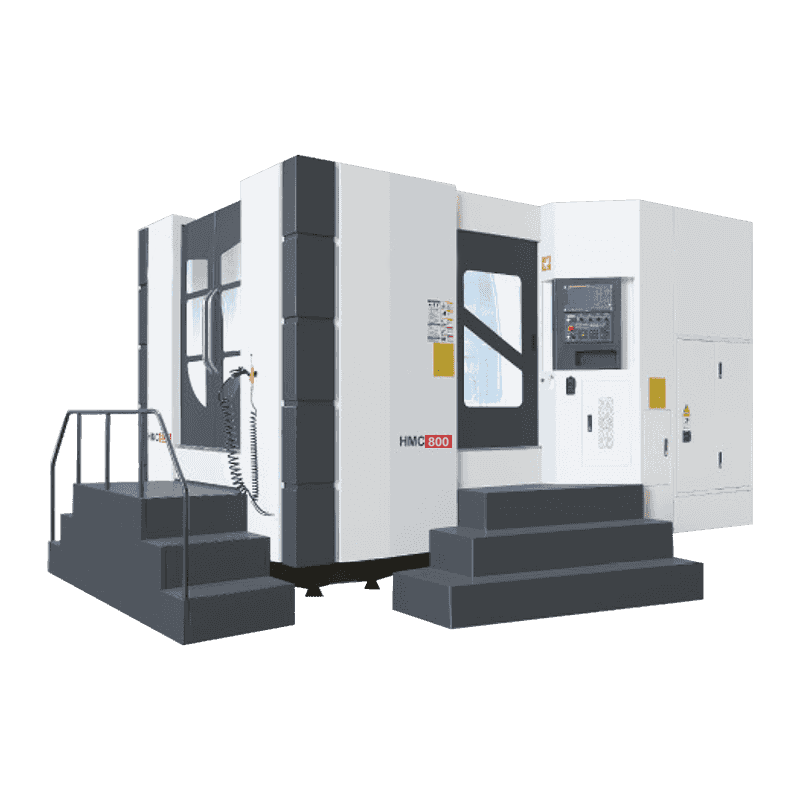
โครงสร้างใช้ในโครงสร้าง T แบบกลับหัวโต๊ะจะเคลื่อนที่ไปรอบๆ (แกน X) หัวเตียงจะเลื่อนขึ้นและลง (แกน Y) และหน่วยความจำจะเคลื่อนที่ (แกน Z) ชั้นวางของโ...
ดูรายละเอียด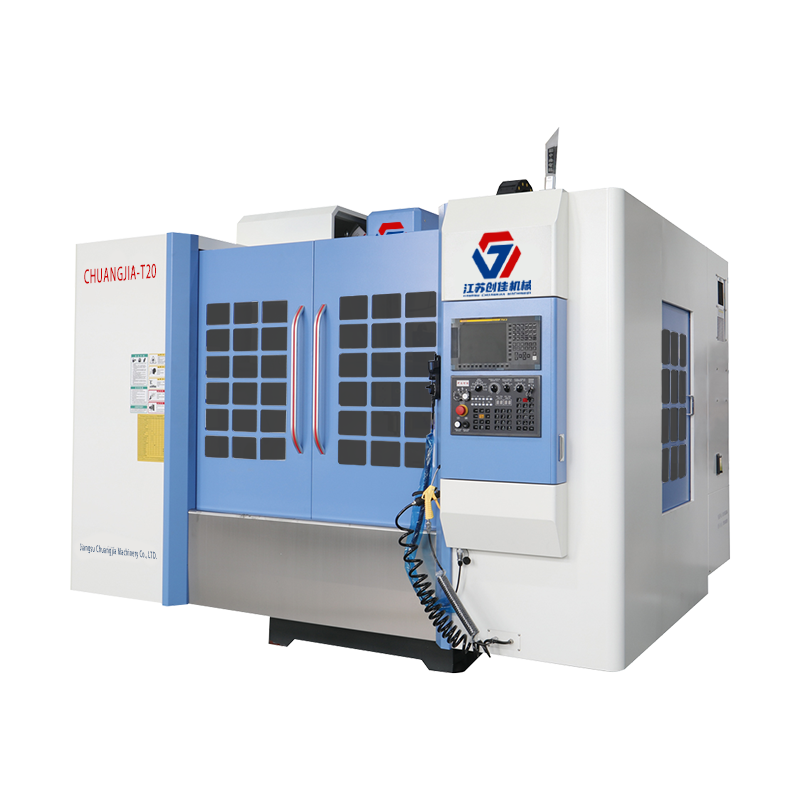
ศูนย์เจาะและต๊าป ZN-T20 มีการตรวจสอบการดำเนินการที่ง่ายความน่าเชื่อถือสูงประสิทธิภาพด้านต้นทุนสูงอีกครั้งเพื่อใช้ระบบทั่วไป ฮาร์ดแวร์อุปกรณ์การแพทย...
ดูรายละเอียด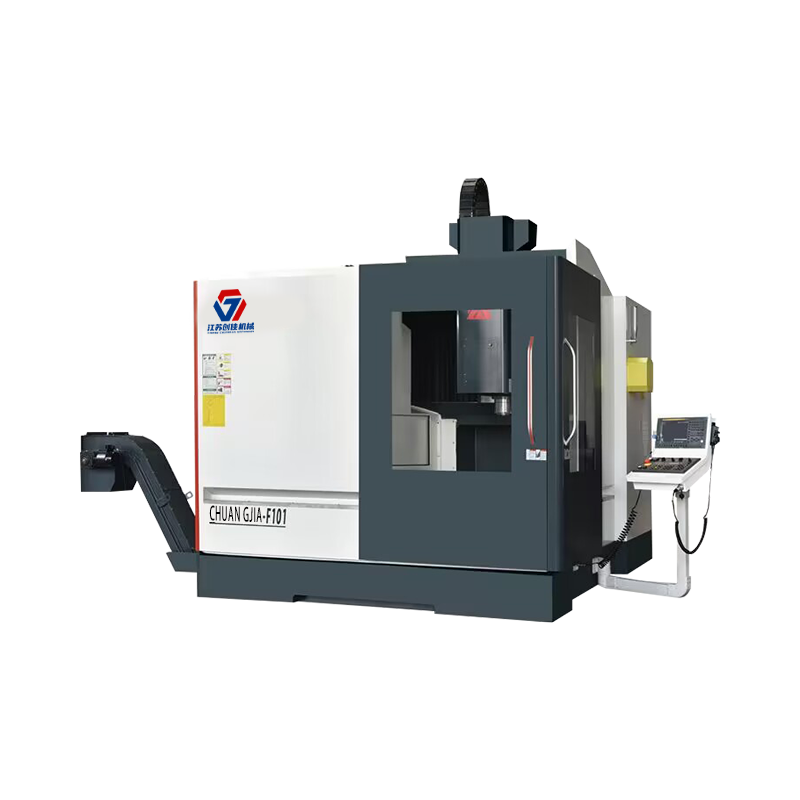
รองรับสามแกนของศูนย์และโครงสร้างสำหรับตั้งรายการซีรีส์นี้ใช้รางที่รองรับแบบไดร์เวอร์หนักซึ่งบำรุงรักษาและบำรุงรักษาต่ำในสเปกตรัมของไดรฟ์ที่ควบคุมได...
ดูรายละเอียด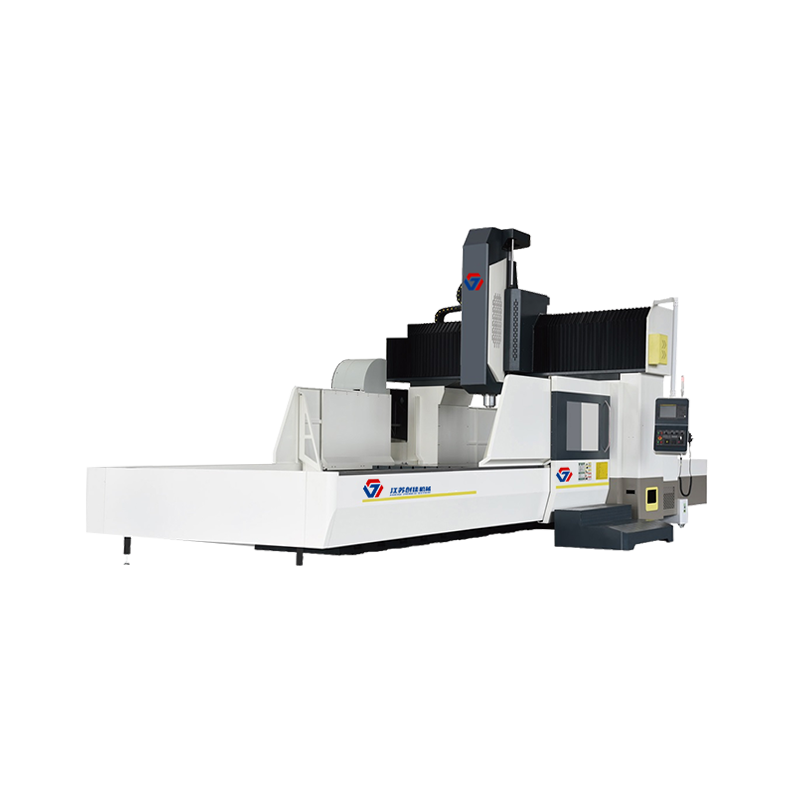
อุปกรณ์ในรูปแบบโครงสร้างยึดยึดและโต๊ะที่สามารถติดตั้งได้ของแผงควบคุมของเสาบีมตรวจสอบของแผงควบคุมและแผงควบคุมมาตรฐานพร้อมแกนหมุนของสายพานที่มีส่วนดั...
ดูรายละเอียด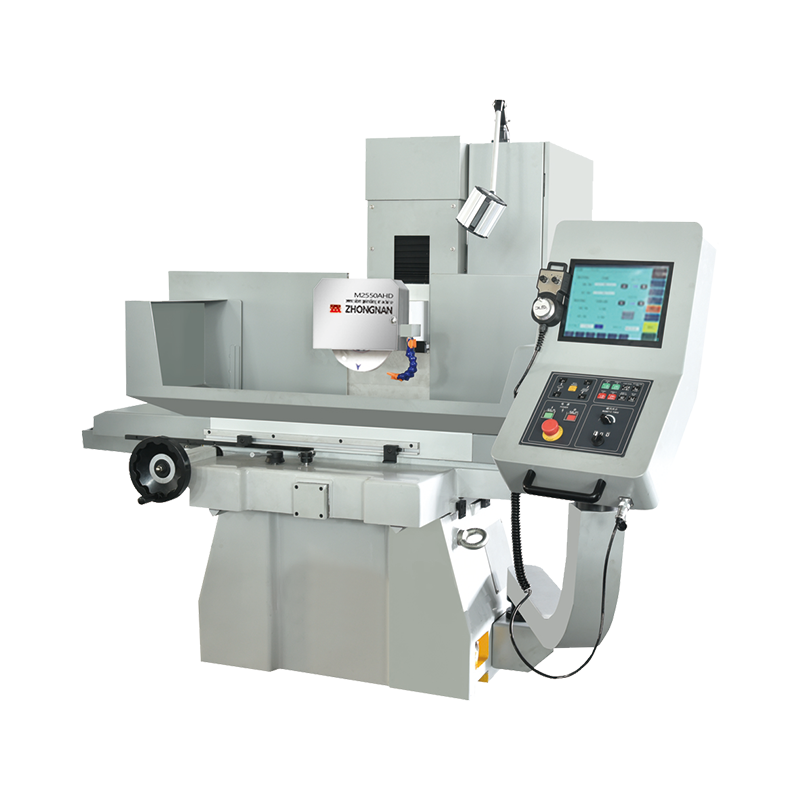
ส่วน/ความเร็วสูง/สามารถใช้เครื่องเจียรผิวซีเอ็นซีการควบคุม X การควบคุม / การควบคุม YZ เซอร์โว / ระบบซีเอ็นซีการควบคุมภาพเคลื่อนไหวแบบ Cross, รางตัว...
ดูรายละเอียด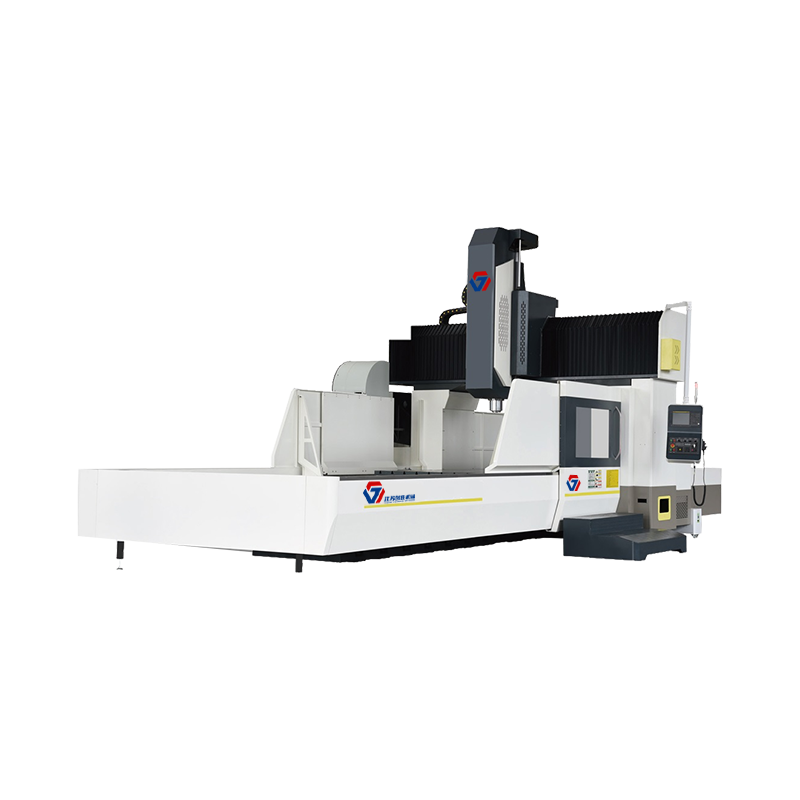
อุปกรณ์ในรูปแบบโครงสร้างยึดยึดและโต๊ะที่สามารถติดตั้งได้ของแผงควบคุมของเสาบีมตรวจสอบของแผงควบคุมและแผงควบคุมมาตรฐานพร้อมแกนหมุนของสายพานที่มีส่วนดั...
ดูรายละเอียด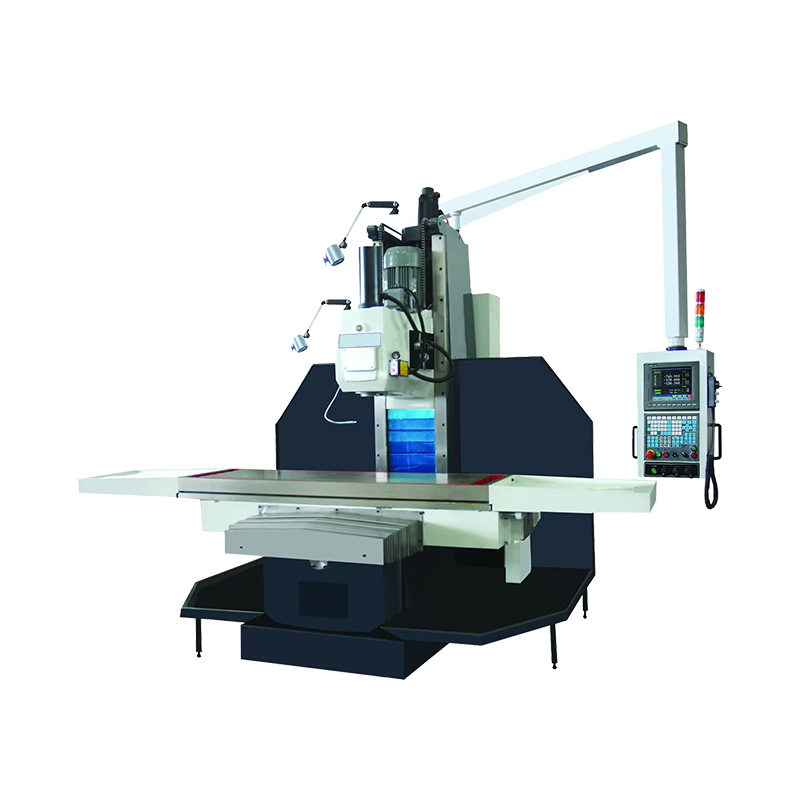
ตรวจสอบการติดตั้งหัวเกียร์และติดตามหนึ่งอันเพื่อตรวจสอบประสิทธิภาพการทำงานของไดรฟ์ แรงตัดมีจุดสังเกตและสังเกตที่ด้านบนและทิศทางสามารถตรวจสอบได้ ซึ่...
ดูรายละเอียด
All rights reserved Jiangsu Chuangjia Machinery Co., LTD.
